
CTN PRESS

CTN PRESS

NEWS & BLOGS EXCLUCIVELY FOR INFORMATION TO ENGINEERS & VALUERS COMMUNITY

BURDEN OF PROOF UNDER INDIAN EVIDENCE ACT BURDEN OF PROOF UNDER INDIAN EVIDENCE ACT

BURDEN OF PROOF UNDER INDIAN EVIDENCE ACT The Indian Evidence Act, 1872 defines and regulates the concept of burden of proof in India. Here are the key provisions related to burden of proof under the Indian Evidence Act: Section 101: Burden of proof – This section states that whoever desires the court to give a

BURDEN OF PROOF UNDER INDIAN EVIDENCE ACT BURDEN OF PROOF UNDER INDIAN EVIDENCE ACT Read More »

BURDEN OF PROOF

BURDEN OF PROOF The burden of proof is a legal and philosophical concept that refers to the obligation of a party making a claim to provide evidence in support of that claim. It is the responsibility of the person making an assertion to provide evidence or argument to support their claim. The burden of proof

BURDEN OF PROOF Read More »

PRINCIPLE OF ELECTRONIC DISTANCE MEASUREMENT

PRINCIPLE OF ELECTRONIC DISTANCE MEASUREMENT Electronic Distance Measurement (EDM) is a technology used for measuring the distance between two points using electromagnetic waves. The basic principle of EDM involves the transmission of an electromagnetic signal from a transmitter to a reflector placed at the target point, and then the reception of the reflected signal by

PRINCIPLE OF ELECTRONIC DISTANCE MEASUREMENT Read More »

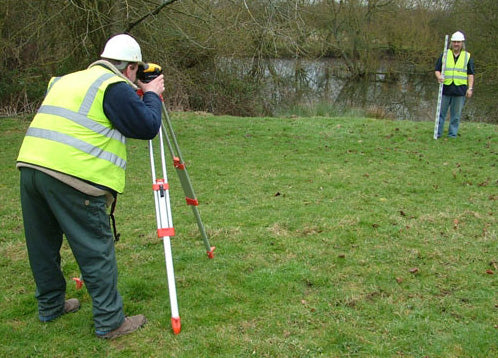
ERRORS IN LEVELLING

ERRORS IN LEVELLING Levelling is a technique used to determine the relative height of points on the Earth’s surface. It involves measuring the vertical distance between two points using a levelling instrument such as a spirit level, optical level, or digital level. Errors in levelling can occur due to a variety of reasons, some of

ERRORS IN LEVELLING Read More »

PRINCIPLES OF LEVELLING

PRINCIPLES OF LEVELLING Levelling is a process used to determine the height or elevation of points on the Earth’s surface. It involves measuring the vertical distance between a point of interest and a reference point, usually a benchmark or a known elevation. Levelling is commonly used in civil engineering, construction, and surveying to create precise

PRINCIPLES OF LEVELLING Read More »

BASES OF VALUATION-THE FIRST THING TO UNDERSTAND BEFORE ACCEPTING AN ASSIGNMENT

Bases of valuation are the methods used to determine the value of an asset or a company. Here are some of the most common bases of valuation: There are several bases of valuation, including: Market value: This is the value of an asset or company based on its current market price. Market value is determined

BASES OF VALUATION-THE FIRST THING TO UNDERSTAND BEFORE ACCEPTING AN ASSIGNMENT Read More »

error: Content is protected !!
Scroll to Top