
WOMEN’S DAY CELEBRATION
WASTE MANAGEMENT FOR A SUSTAINABLE FUTURE
By Ar. Sonia Ahuja
CEV TECHNO NEWS Special Technical Desk
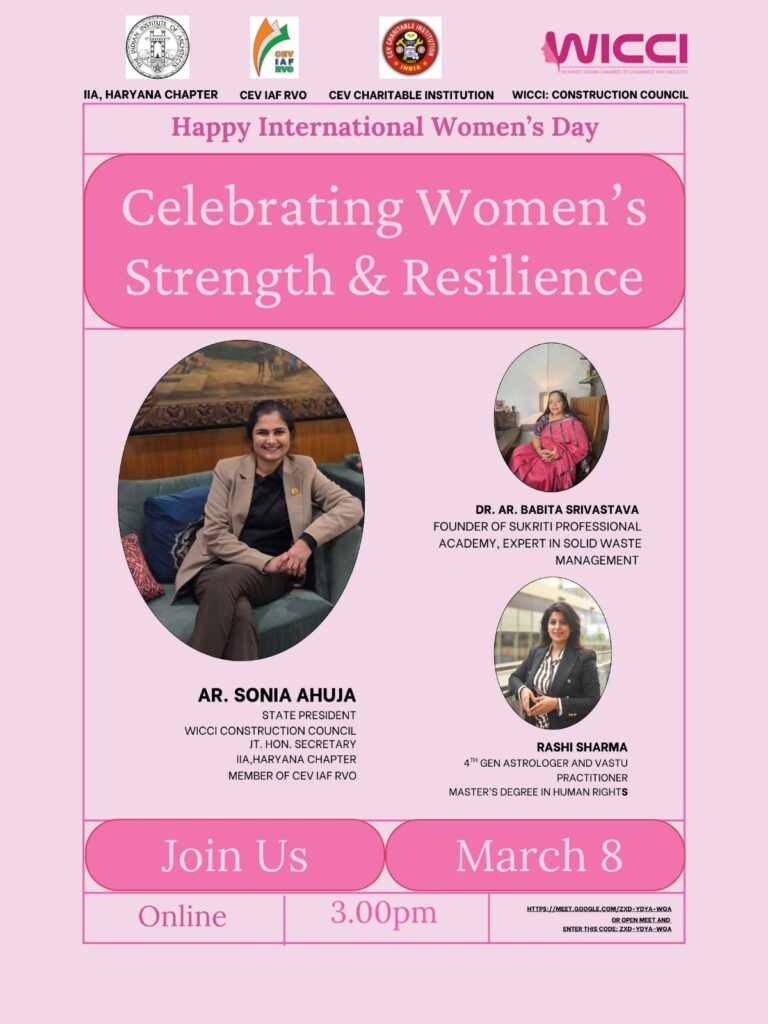
On the occasion of International Women’s Day, 8th March, the Construction Council of the Haryana State Women’s Indian Chamber of Commerce and Industry (WICCI) celebrated the event in collaboration with the Council of Engineers & Valuers (CEV) and the Haryana Chapter of the Indian Institute of Architects (IIA)
The session featured insightful talks focusing on Waste Management and sustainable practices, bringing together professionals from the architecture, engineering, and construction fraternity.
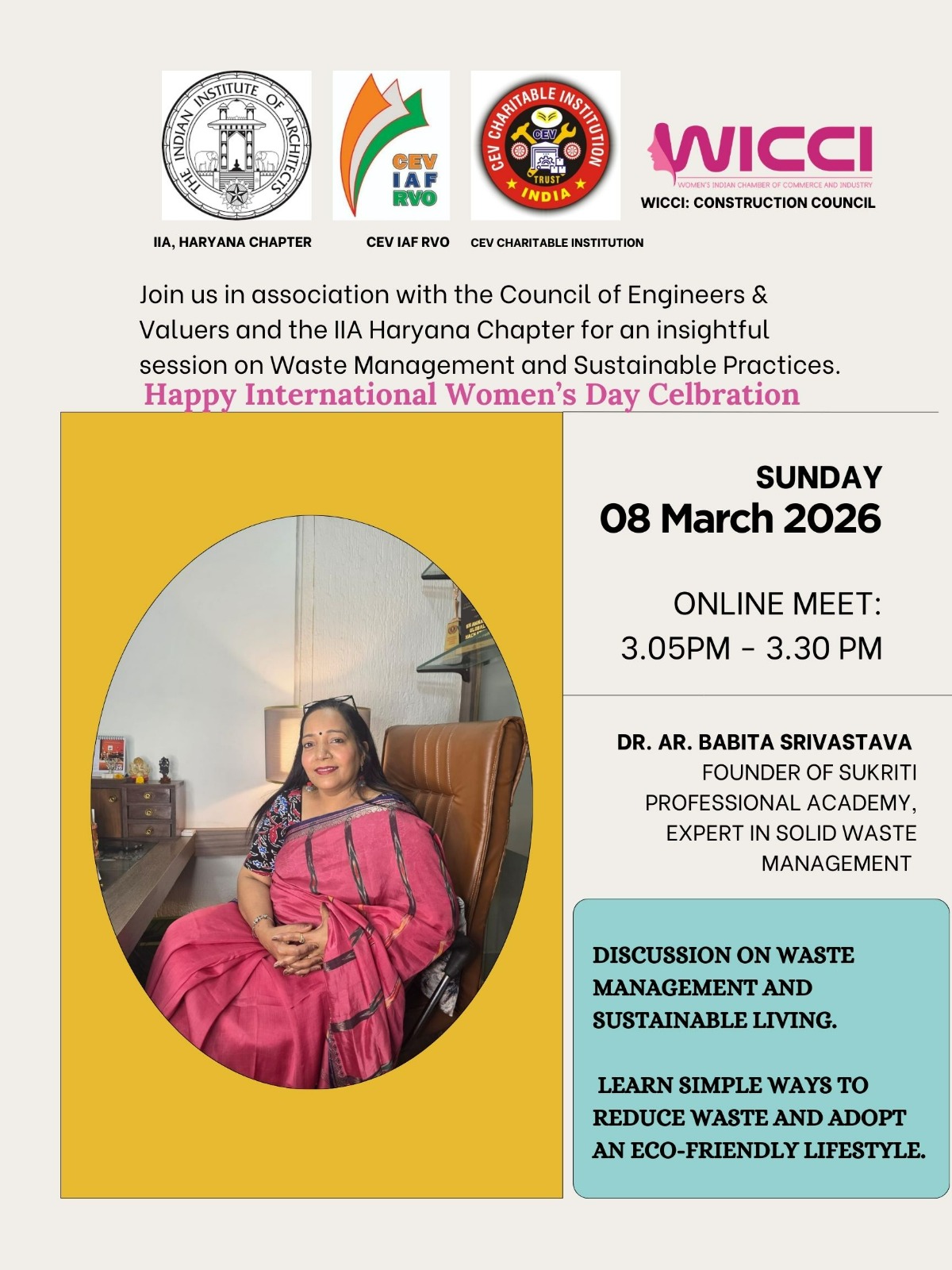
Dr. Ar. Babita Srivastava delivered an engaging presentation on waste management and its implementation in daily life. She emphasized that meaningful environmental change begins with small behavioural shifts and lifestyle habits. One of the key aspects discussed was kitchen waste segregation, where wet waste can be separated and converted into compost at a small residential scale or at community level. This compost can then be used as a natural nutrient, specially NPK ( Nitrogen, Phosphorus and Potassium), for potted plants and community landscapes, helping return valuable organic matter back to the soil.
Dr. Srivastava also highlighted the importance of segregating recyclable material such as glass, paper, metal, plastic and other recyclable waste, which can be effectively managed when awareness begins at the household level. The session reinforced the idea that environmental responsibility cannot rest solely on government systems; it requires active participation from every citizen.
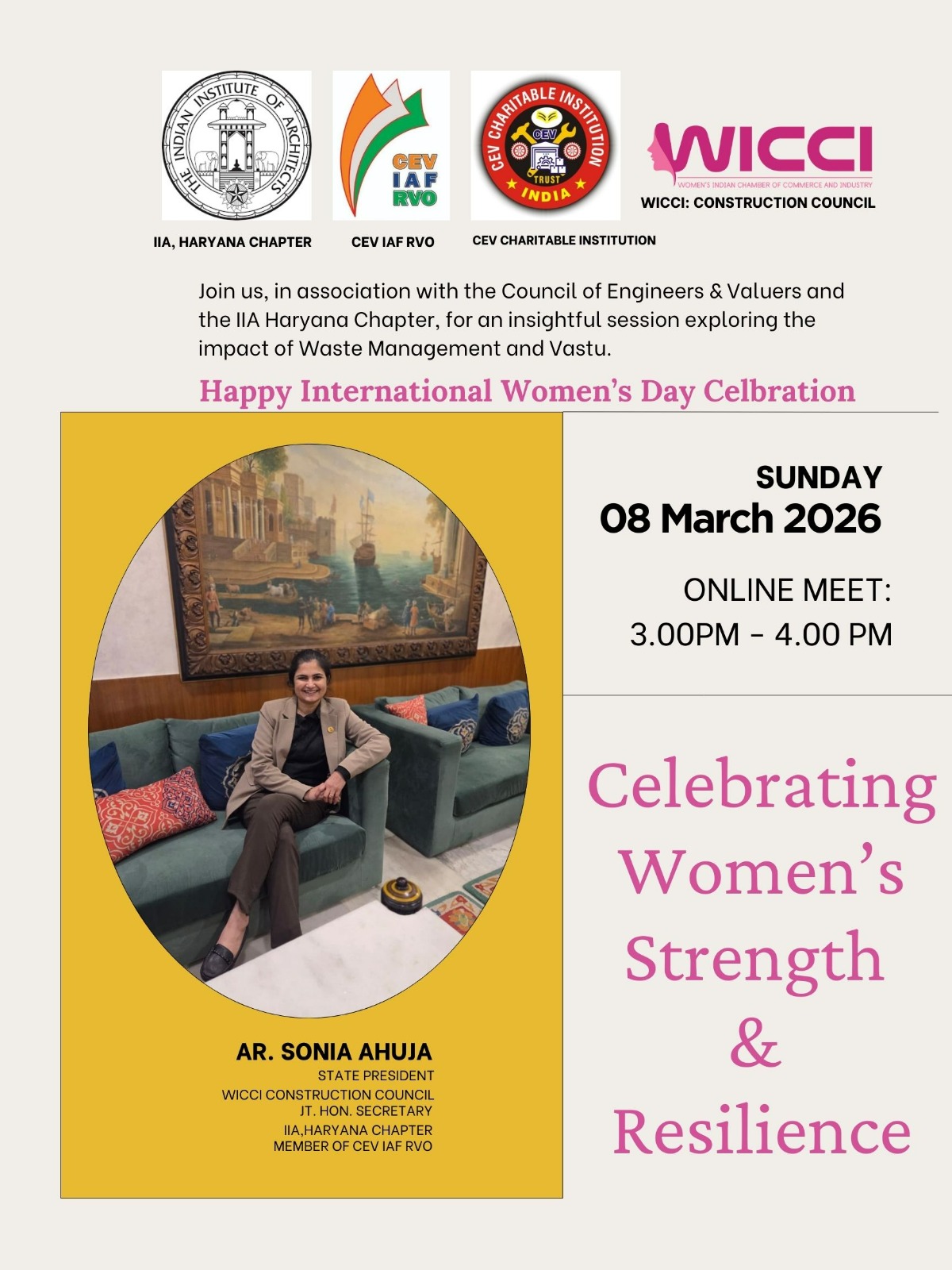
Adding to the discussion, Ar. Sonia Ahuja shared a personal and inspiring observation from Shillong and Mizoram, regions widely known for their civic awareness and cleanliness. During a visit to Shillong in 2017, she was observed that public spaces were remarkably free from litter such as paper, snack packets, or plastic waste. In one instance, when a visitor casually threw a snack wrapper on the road, a local resident politely but firmly requested him to pick it up and dispose of it properly in a dustbin. Such everyday actions reflect a strong culture of community awareness and civic responsibility.
The discussion highlighted an important message: clean habits start at home. Children learn by observing the practices of their families, and when cleanliness and responsible waste disposal become part of daily life, these values naturally pass on to the next generation. Even small actions, when practiced collectively, can contribute to transforming the vision of a Clean India.
The session also encouraged the idea of minimalist living in today’s era of e-commerce and rapid industrialization, where almost everything is easily available. It is important to develop the habit of purchasing only what is necessary and avoiding unnecessary storage or consumption. Items such as clothes, plastic goods, and metal objects that are no longer needed can be donated to those who require them. Many NGOs support child education, old-age homes, and community welfare, and contributing to such initiatives helps cultivate values of sharing, caring, and social responsibility in the next generation.
The organizers expressed sincere gratitude to the Construction Council, Haryana State, WICCI, Haryana Chapter, IIA, CEV Team and Ar. Sonia Ahuja (WICCI), Ar. Vivek Logani (Haryana Chapter, IIA) and Er. Sundeep Bansal (CEV IAF) for their valuable making the session successful and Clean India initiative.
With collective effort and mindful living, even small actions can help restore nutrients to the soil and build a healthier, more sustainable environment for future generations.
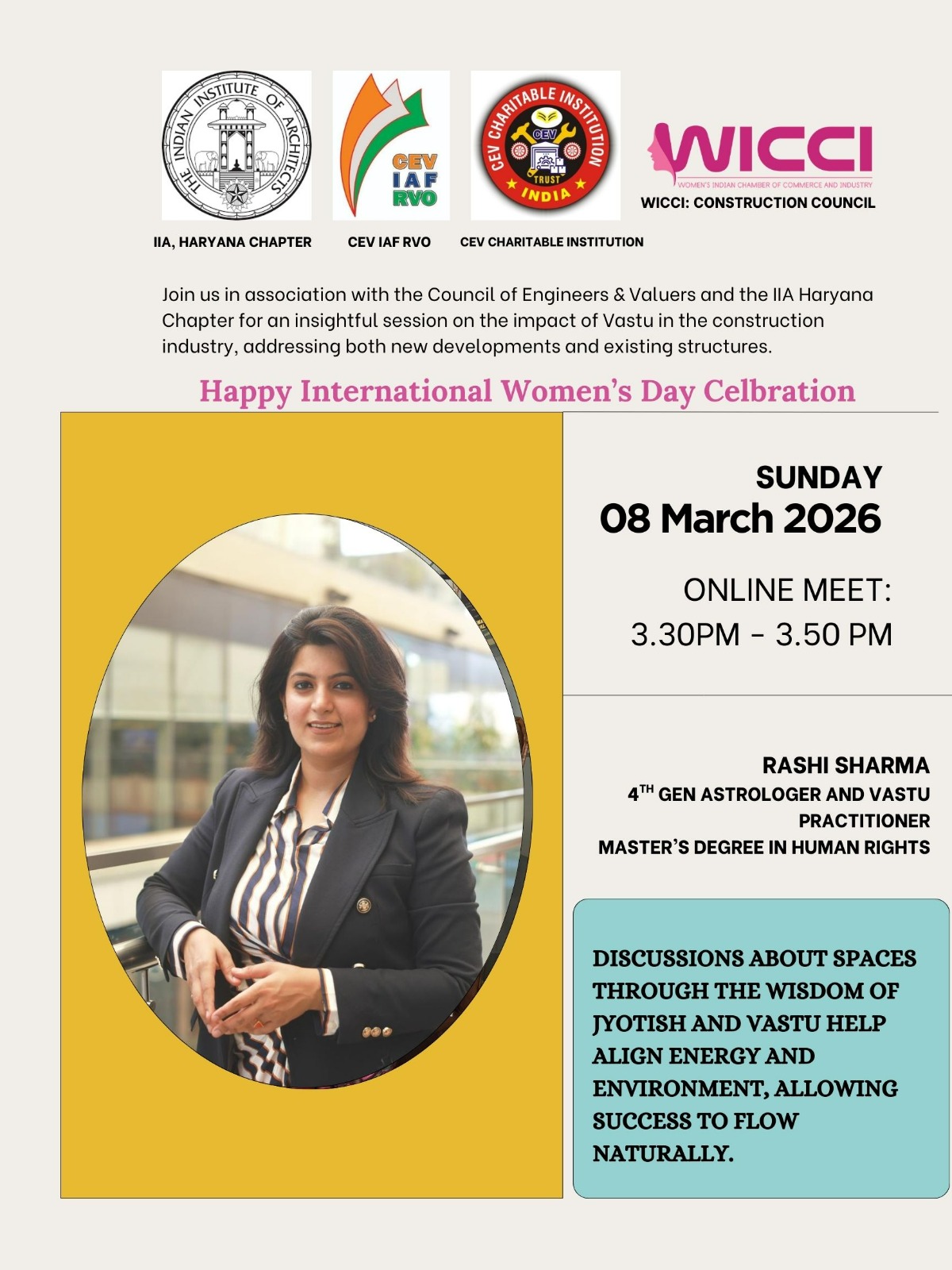
The second speaker session on Vastu in energy and environment will be shared in the upcoming newsletter.
— Prepared for publication in a leading national newspaper for valuers and engineering professionals.
Published by: Council of Engineers and Valuers (CEV)

https://youtu.be/XRCXR4aw6Bo?si=IKuK_L6VnaJnl-43